 Toros de Tijuana 4:1 Dos Laredos
 Nippon Ham Fighters 2:4 Fukuoka S. Hawks
 Yakult Swallows 5:4 Yomiuri Giants
 Seibu Lions 2:1 Chiba Lotte Marines
 Rakuten Gold. Eagles 3:1 Orix Buffaloes
 Hiroshima Carp 4:5 Yokohama BayStars
 Chunichi Dragons 2:5 Hanshin Tigers
 Chinatrust Brothers 1:2 Wei Chuan Dragons
 TSG Hawks 0:2 Fubon Guardians
 Leksand 3:4 Rattvik
 HCAW 1:2 L&D Amsterdam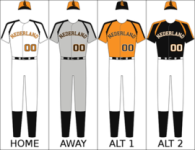
 Hoofddorp Pioniers 6:6 Corendon Kinheim
 UVV 4:11 Neptunus


FIFA has decided to use a different ball for the World Cup semi-finals, even though the tournament has already seen over 100 matches. This move catches many fans off guard. But there are good reasons behind this switch.
New Ball, New Advantages
The new ball is designed to be more stable and predictable in flight. Players often report that the ball behaves differently in high-pressure knockout games. Key benefits include:
- Better grip and control, especially on wet or dry pitches
- More accurate passing and shooting
- Reduced unpredictable movement in the air
Technology and Fairness
The ball also uses advanced tracking technology. This helps referees and VAR systems make quicker, more accurate decisions. For example, the built-in sensor can detect offsides and fouls more reliably. In the knockout rounds, every call matters, so FIFA wants the best possible tools.
A Tradition of Change
Switching balls for important matches is not new. In past tournaments, FIFA has introduced special balls for the final or semifinals. It’s a way to mark the occasion and give players the newest gear. While some critics say it disrupts the flow, most agree the upgrade helps the game.
What This Means for the Final
The ball change is just one part of FIFA’s effort to make the World Cup as exciting and fair as possible. Fans can expect a faster, cleaner game in the semis and final. Whether the new ball affects the outcome remains to be seen, but it’s certainly a talking point.